
In-Stock Ammunition Ready to Ship Now — Buy Today, Shoot Tomorrow
In stock ammunition refers to factory-loaded cartridges that are physically present in a retailer’s warehouse, ready for immediate purchase and delivery, not sitting on a backorder list. Because these rounds are already manufactured and boxed, they offer you the unmatched advantage of bypassing wait times and securing reliable, tested ballistics on demand. Whether you’re stocking up for target practice or defensive readiness, having ready-to-ship cartridges in your hands means you can load your magazine, chamber a round, and fire with absolute confidence the moment you need it.
What Does “In Stock” Actually Mean for Your Ammo Order?
When you see in stock ammunition, it confirms the retailer physically has those rounds on hand, ready to ship or pick up. This means your order avoids backorder delays, but it doesn’t guarantee immediate dispatch—processing time and shipping method still apply. For your ammo order, “in stock” also implies the exact caliber, grain, and bullet type you selected are available in the listed quantity, not just similar alternatives. Always verify the quantity you add to cart matches the stock count; if it says “low stock,” expect possible partial fulfillment. Crucially, what “in stock” means for your ammo order is predictability: you pay knowing inventory exists, so your only wait is transit, not production or restocking. Still, confirm whether the site holds stock until payment clears, as some sellers may oversell and cancel later.
How to Verify Real-Time Availability Before You Add to Cart
Before you click that button, treat the “in stock” badge as a claim, not a contract. First, refresh the product page to force a new inventory query, then look for a live stock counter or a timestamped “last updated” message. Call the retailer directly if the caliber is rare; phone reps often see a warehouse split between web and physical stores. Cross-reference the product SKU with a secondary vendor to gauge if the listed count is realistic. Finally, check the cart itself before checkout—many systems reserve stock only at that final step. A cartridge count that persists after you add it is your only true confirmation of availability.
- Look for a “guaranteed in stock” checkbox at checkout confirmation.
- Check for a “ships within 24 hours” badge tied to live inventory.
- Use the site’s chat widget to ask for a real-time bin count.
Understanding Quantity Limits vs. What’s Physically on the Shelf
“In stock” doesn’t guarantee you can buy unlimited boxes. Retailers enforce **quantity limits on ammo purchases** to prevent hoarding and manage real inventory, not because shelves are bare. A site may show 500 rounds available, but a per-order cap of 5 boxes means you can only secure 250. Always check the product page for a “limit per customer” notice before adding to cart—your order can be canceled if you exceed it, even if the shelf count looks generous. This protects fair access for all shooters and ensures stock lasts through high-demand periods.
Q: Do quantity limits mean the physical stock is truly that low?
A: Not necessarily. Limits are often set for logistics and fairness, independent of how many cases sit in the warehouse. A low limit might reflect a cautious allocation strategy, not an empty shelf.
Matching the Right Ready-to-Ship Rounds to Your Firearm’s Specs
When selecting in stock ammunition, matching the right ready-to-ship rounds to your firearm’s specs begins with verifying the cartridge designation stamped on the barrel, not just the caliber name. Check the chamber specification—such as 5.56 NATO versus .223 Remington—since ready-to-ship lots may be loaded to different pressure standards even if they share a bullet diameter. Confirm the bullet weight and overall length against your rifle’s twist rate and magazine constraints, as some bulk-purchased rounds may not cycle reliably in tighter actions. Also inspect the muzzle velocity data on the product page for gas-operated firearms that require specific port pressure. Finally, match the projectile type (e.g., FMJ, hollow point) Ammo Cans & Storage for Sale to your barrel’s rifling and intended use, ensuring the ready-to-ship option functions safely in your exact setup.
Caliber, Grain Weight, and Bullet Type: What to Confirm First
Before you click “add to cart” on in stock ammunition, lock in the caliber, grain weight, and bullet type—in that order. Your firearm’s barrel stamp dictates the cartridge case length and pressure rating; never assume a similar number (like .38 vs .357) is interchangeable. Next, choose grain weight: heavier pills (e.g., 180gr in 10mm) deliver deeper penetration and slower velocity, while lighter loads (115gr 9mm) offer flatter trajectories and softer recoil. Finally, match bullet type to purpose—jacketed hollow points expand on target for defense, full metal jackets feed reliably for training, and soft points suit hunting. A quick three-step confirmation prevents squibs, jams, or baffling accuracy loss.
- Verify caliber against slide or barrel stamp.
- Select grain weight for your recoil and ballistic goal.
- Pick bullet type aligned to your shooting task.
Why Velocity and Pressure Ratings Matter for Your Barrel
When you’re grabbing in stock ammunition, velocity and pressure ratings aren’t just numbers—they’re a direct handshake with your barrel’s health. A round loaded too hot for your specific twist rate or barrel length can spike pressure, accelerating throat erosion and even causing premature unlocking in semi-autos. Conversely, anemic velocity might fail to stabilize a heavier bullet, leaving keyholing targets and poor accuracy. Before you settle on a bulk purchase, compare 7.62x54R Ammo for Sale the manufacturer’s listed pressure (PSI or CUP) against your firearm’s chamber specs. For suppressed or short barrels, lower-pressure subs are gentler; for long-range precision, you’ll want max velocity without exceeding SAAMI limits. Here’s the quick check:
- Find your barrel’s recommended pressure range in the manual or maker’s site.
- Match that to the ammo’s advertised velocity (fps) for your barrel length.
- Stick with that combo for consistent cycling and minimal carbon fouling.
How to Judge the Quality of Available Ammo Without Holding the Box
When the shelf is bare and only a single brick of in-stock ammo remains, you judge it by what you can see without touching the box. Run your thumb along the carton’s spine—if the cardboard feels damp or bowed, the rounds inside likely suffered humidity, so walk away even if it’s the last one. Peer through the end flap gap: brass casings should gleam uniformly, not show verdigris or tarnished streaks, which signal long storage in a hot garage. Shake the box gently near your ear; a dull, heavy thud means powder settled evenly, while a sandy rattle hints at broken primers or loose bullets. Trust the lot number printed on the side—a recent month beats a two-year-old code. If the seal is intact but the box’s corners are crushed, the ammo may have been dropped, risking setback. That slight give in the flap, though, often means someone already pawed through it—look for pulled bullets hiding beneath the tray. Finally, sniff the cardboard; a faint solvent odor is fine, but a sour ammonia tang means decomposing propellant. Buy with confidence only when the box feels firm, stays clean, and whispers consistent weight in your palm.
Reading Headstamps and Lot Numbers for Consistency
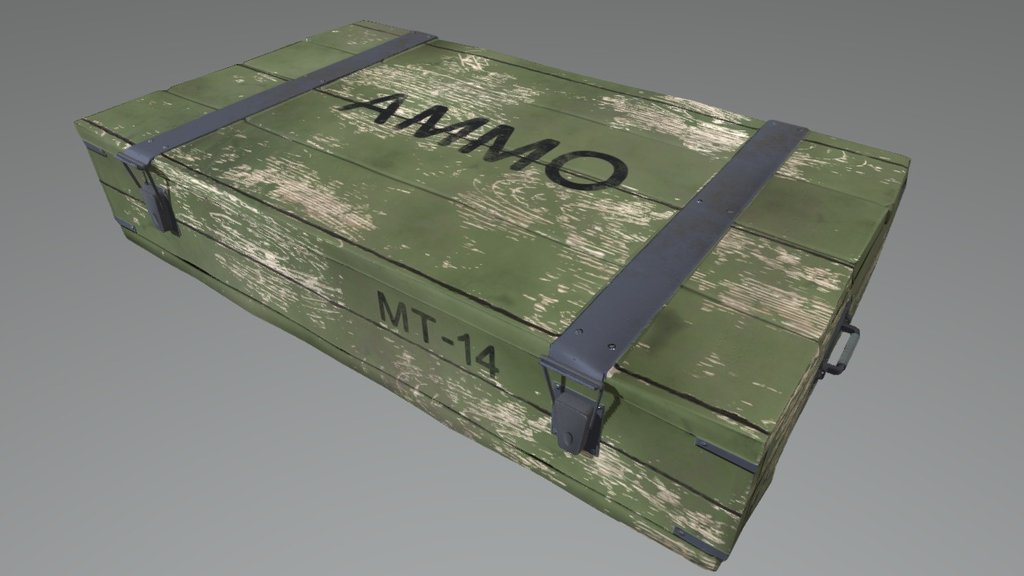
When evaluating in-stock ammunition without opening the box, the headstamp reveals the manufacturer and cartridge designation, but its deeper value lies in spotting mixed production runs. Inspect the rim for uniform stamping depth and alignment; inconsistent characters often indicate repackaged or surplus rounds. The lot number, usually a series of digits or letters on the box or case, is the true consistency gauge. Identical lot numbers across several boxes guarantee same-batch propellant, primers, and bullet seating—critical for predictable velocity and point of impact. If lot numbers vary between boxes of the same brand, treat them as separate loads. Always compare lot numbers against the headstamp’s year code, when present, to verify the ammunition hasn’t been warehoused for decades, which can degrade powder stability.
Reading headstamps and lot numbers ensures you buy uniform, single-batch ammunition, preventing point-of-impact shifts and pressure variations from mixed production.
Spotting Remanufactured or Overrun Stock vs. Factory Fresh
When scanning in-stock ammunition, remanufactured or overrun lots often betray themselves through packaging cues—mismatched case headstamps, mixed primer sealant colors, or plain white boxes lacking a lot number. Factory-fresh rounds usually exhibit uniform headstamps and crisp, identical bullet seating. Overrun stock (military or commercial surplus) frequently shows duller brass or slight case mouth dings from bulk handling, whereas remanufactured .17 HMR Ammo for Sale ammunition may have polished cases but uneven crimp tension. If the box lists “rebuilt,” “reloaded,” or omits a manufacturer’s warranty, treat it as non-factory. Trust consistent weight and cartridge overall length only if you can sample a round—but visual inconsistency alone should steer you toward verified factory loads.
Spotting remanufactured or overrun stock vs. specialty sports & supply factory fresh comes down to packaging anomalies, headstamp uniformity, and case finish—when in doubt, pass.
Storage and Shelf-Life Tips for Bulk Purchases That Are Ready Now
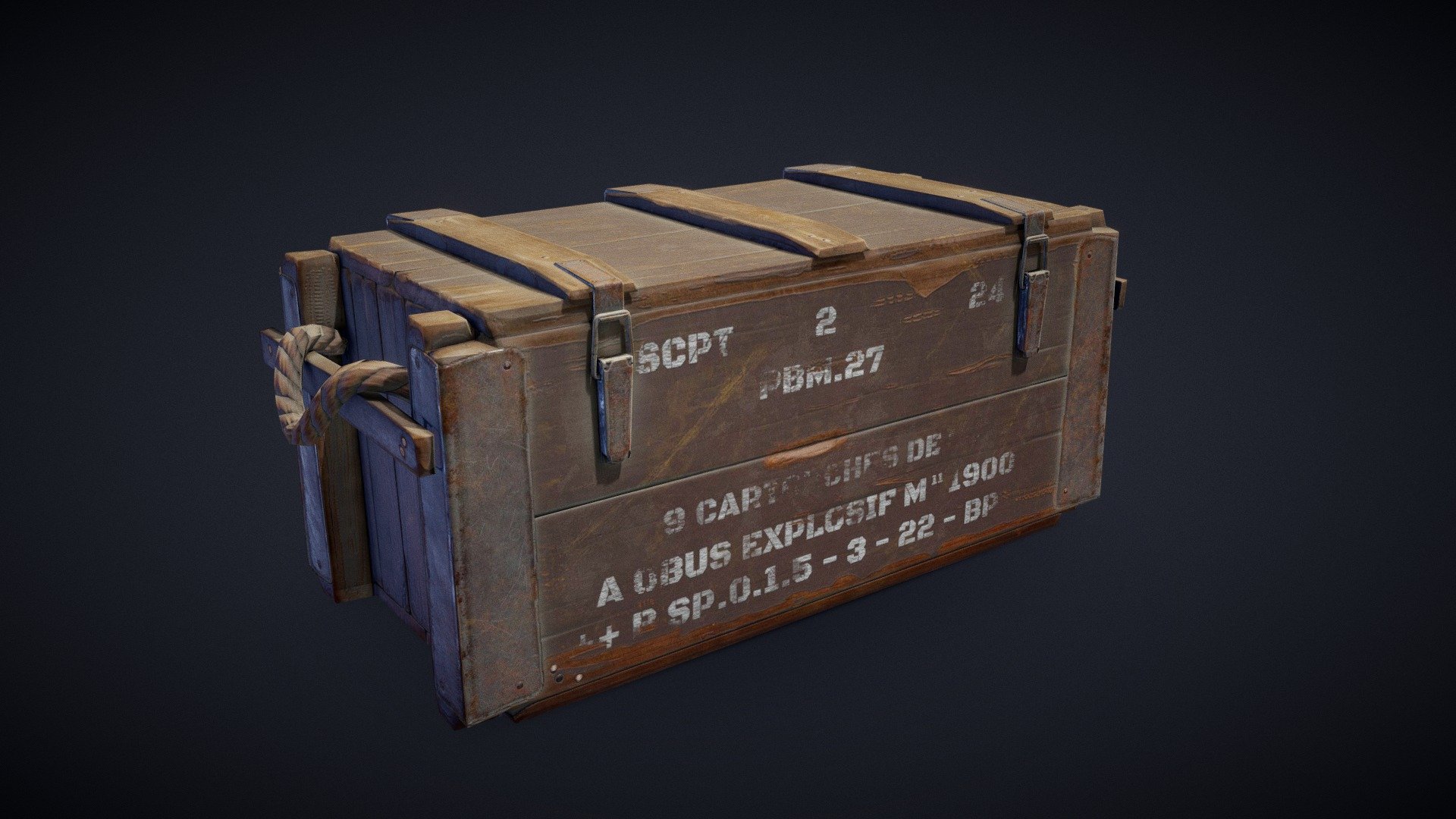
For bulk ammunition that’s ready now, prioritize a climate-controlled environment to maximize shelf life. Store unopened factory boxes in sealed, military-style ammo cans with desiccant packs, keeping humidity below 50%. Avoid concrete floors—use wooden pallets or shelving to prevent moisture wicking. Rotate your stock using a first-in, first-out system, marking purchase dates on each can. Brass-cased ammunition stored at a stable 60–70°F can remain reliable for decades, but check for green corrosion on cases or primer sealant breakdown annually. For long-term bulk storage, vacuum-sealing individual boxes adds a robust vapor barrier. Never store ammo in extreme heat, like attics or garages, as temperature swings degrade powder. Your ready-now supply stays ballistically consistent when you inspect for dents, rust, or loose bullets every six months.
Keeping Moisture and Temperature From Ruining Your Reserve
Your in-stock ammunition reserve survives on stability, and **temperature fluctuations** are its silent enemy. Store cans off concrete floors to prevent cold bridging, which draws condensation inside. Keep the space between 60–70°F; extreme heat accelerates powder 7.62×39 Ammo for Sale degradation, while freezing cycles invite moisture to settle on brass. Add desiccant packs inside sealed ammo cans—replace them quarterly. For humidity, a hygrometer is non-negotiable; anything above 40% risks corrosion on primers. Rotate your reserve seasonally to expose all layers to consistent air, but never open cans in humid conditions. A simple, airtight cabinet with a climate control rod creates a micro-environment that keeps every round firing as freshly as the day it shipped.
- Use silica gel desiccant packs, refreshing them every 90 days.
- Elevate cans on wooden pallets or shelves, avoiding direct floor contact.
- Seal lids with petroleum jelly to lock out humid air after each use.
- Monitor with a digital hygrometer, aiming for 30–40% relative humidity.
Rotating Your Supply: Which Rounds to Shoot First
When rotating your supply, always shoot the oldest in stock ammunition first, applying a strict first-in, first-out (FIFO) method. Prioritize rounds with corroded cases, loose primers, or faded sealant, as these exhibit the earliest degradation signs. Fire defensive hollow points before FMJ practice rounds, since complex projectiles lose expansion reliability faster. Similarly, shoot high-pressure loads (like +P) ahead of standard pressure—their thinner case walls fatigue sooner. Reserve pristine, newly purchased ammo for long-term storage. Mark purchase 5.56 Ammo for Sale dates on boxes with a permanent marker; if unsure, smell for vinegar-like odors indicating stabilizer breakdown. Always cycle old rounds through your firearm monthly to confirm they still chamber and fire cleanly, discarding any that show setback or cracks.
Maximizing Cost Efficiency When Buying Available Cartridges

When you find in stock ammunition for the cartridges you actually shoot, the real savings come from buying in bulk at that exact moment, not from waiting for a better deal. I’ve learned that grabbing a full case of your primary available cartridges—even if it stings the wallet today—drops the per-round cost dramatically compared to picking up a box or two each week. The trick is to compare the price per round *across different lots* of the same grain weight, because two boxes sitting side by side can vary by ten percent. Also, combine shipping or choose local pickup when the store lists stock online, since hazmat and freight fees quietly eat your savings. Stick to one or two trusted loads you’ve already tested, and you’ll avoid wasting cash on available cartridges that your rifle won’t group well.
Comparing Per-Round Price on Bulk vs. Boxed Quantities
When hunting for in stock ammunition, the 7.62×51 Ammo for Sale per-round price often drops dramatically as you move from small boxes to bulk cases. A 20-round box of defensive rounds might cost $1.10 per cartridge, while a 200-round bulk pack of the same load could fall to $0.85–$0.90 per round, simply because you’re paying for packaging and handling fewer times. Always calculate the cost per cartridge—not the total sticker price—to spot the real savings. Bulk cases, usually 500 or 1,000 rounds, almost always beat boxed quantities on a per-round basis, but only if you actually use that volume before storage degrades the ammo. A quick division on your phone reveals whether the bulk discount justifies tying up cash now versus buying three smaller boxes later.
- Divide the case price by total rounds to compare apples-to-apples against box prices.
- Watch for free shipping thresholds on bulk orders that shrink the per-round gap further.
- Bulk packs often reuse lighter cardboard trays, cutting packaging weight yet retaining the same ballistic quality.
- If you shoot fewer than 200 rounds monthly, boxed quantities may avoid waste despite a higher unit cost.
Shipping Fees and Tax: When Larger Orders Actually Save You More
Shipping fees and tax often represent a flat cost per order, not per round, which is why larger ammunition orders reduce the per-unit overhead significantly. A single box of 50 rounds may incur a $15 shipping fee, adding $0.30 per round, whereas buying 500 rounds from the same in-stock inventory might still cost only $20 shipping, adding just $0.04 per round. Tax, calculated on the total including shipping in most states, remains proportional, so the savings come entirely from diluting that fixed delivery charge across more cartridges. Before checking out, compare the total delivered cost per round between a small and large order, accounting for the actual shipping quoted, not a percentage estimate. This calculation reveals that the largest order you can afford is often the most tax-efficient, as the shipping component shrinks to near-negligible levels.
- Always divide the final 7mm PRC Ammo for Sale shipped-and-taxed total by the number of rounds to see the true per-cartridge cost.
- Check if the retailer offers free shipping thresholds; crossing that line usually beats buying multiple small batches.
- Consolidate all planned purchases into one order to avoid paying the same shipping fee repeatedly.
- Some states apply tax to shipping itself, so higher shipping fees can also inflate your tax liability.
Common Pitfalls to Avoid When Grabbing Off-the-Shelf Rounds
When grabbing off-the-shelf .17 WSM Ammo for Sale rounds, the biggest trap is assuming the box’s listed velocity matches your barrel length—**short barrels drastically drop performance**, so verify ballistic data for your setup. Another pitfall is ignoring the lot number; in-stock ammo can sit for months, and different lots may have subtle primer or powder variations that shift point of impact.
Always buy enough from the same lot for your training and zeroing session, or you’ll chase ghosts at the range.
Check the crimp and bullet seating depth visually—bulged or recessed projectiles signal poor QC. Finally, don’t grab the cheapest brass case just because it’s in stock; mixed headstamps often cause inconsistent chamber pressure. Stick to one brand and one load, and confirm your firearm cycles it reliably before stocking up.
Mismatched Rim Types for Your Magazine or Chamber
When grabbing off-the-shelf rounds, mismatched rim types are a silent failure point. A rimmed cartridge, like .22 LR, relies on its protruding rim for headspacing and extraction, whereas a rimless round uses a groove. Seating a rimmed round into a magazine designed for rimless ammunition causes the rim to catch on the feed lips, creating a jam. Conversely, forcing a rimless round into a chamber cut for a rimmed profile prevents the bolt face from properly gripping the case head. Always verify the **cartridge rim profile** against your specific firearm’s magazine 5.7x28mm Ammo for Sale and chamber drawings before loading; even visually similar calibers differ markedly in rim thickness and diameter, leading to misfeeds and stuck cases.
Ignoring Primer Type—How It Affects Your Gun’s Trigger System
When grabbing in stock ammunition, ignoring primer type can alter your trigger system’s behavior. Boxer-primed rounds work with standard firing pins, while Berdan primers require a different strike geometry. If your gun’s trigger mechanism is tuned for a specific primer cup hardness, switching to a military-surplus round with harder primers may cause light strikes, resulting in misfires or delayed ignition. Conversely, soft primers in self-defense loads can increase slam-fire risk in floating firing pin designs. Always match primer type to your bolt or hammer spring tension; a trigger system adjusted for soft primers may feel sluggish or fail to reset cleanly with harder cups.
Ignoring primer type when selecting in stock ammunition can cause light strikes, slam-fires, or trigger reset issues, so verify primer compatibility with your gun’s firing pin and spring setup.