
The Role of Risk and Reward in Game Selection
The interplay of risk and reward is a fundamental aspect of decision-making in casinos. Players are often drawn to games that promise high returns, irrespective of their odds. This fascination is primarily due to the thrill associated with potential winnings, which can evoke strong emotions. For instance, a player might choose a slot machine featuring a large jackpot over one with smaller payouts, driven by the prospect of achieving an extraordinary win, especially at an online casino that accept neosurf that offers enticing promotions. This desire for excitement often overrides logical assessments of probability, creating a preference for riskier choices that can lead to significant financial rewards.
The psychological concept of loss aversion plays a significant role in this selection process. Research indicates that individuals tend to experience losses more intensely than gains of the same magnitude. Consequently, players might gravitate toward games that offer a chance to recover past losses, even if the odds are against them. This creates a cycle where the pursuit of recovering losses leads to further risky decisions, making the allure of high-stakes games even more pronounced. The emotional weight of past losses can drive players to engage in more gambling, hoping to reverse their fortunes.
Furthermore, the environment within a casino amplifies these feelings. Bright lights, vibrant sounds, and the overall ambiance create a stimulating space that heightens players’ excitement. This sensory overload influences game choices, encouraging players to engage in games that promise both financial rewards and an adrenaline rush. By merging the excitement of risk with the possibility of substantial rewards, casinos craft experiences that appeal deeply to players’ psychological inclinations, making them more likely to embrace games that might otherwise seem too risky.
The Influence of Personalization on Game Preferences
Personalization is a notable factor determining the types of games individuals prefer. Different players have distinct backgrounds, experiences, and psychological profiles that shape their choices. For example, a player with a competitive spirit might lean toward poker, where skill and strategy play a significant role, while a casual player may prefer simpler games like slots that require less mental engagement. This tailoring of experiences demonstrates how individual preferences guide players toward specific game types based on their comfort levels and gaming styles, ultimately leading to a more satisfying gaming experience.
Moreover, casinos often utilize data analytics to understand player behavior and personalize offerings. By tracking previous game choices and spending patterns, casinos can design promotions that align with players’ interests. For instance, if a player frequently engages with table games, they might receive targeted bonuses or invitations to exclusive events. Such personalized approaches enhance player satisfaction and retention, fostering a deeper connection with particular games that cater to their preferences. This emphasis on customization not only increases engagement but also aids in building long-lasting relationships with players.

Additionally, social factors heavily influence game preferences. Many players enjoy the communal experience of table games where interaction with others enhances the thrill. The presence of friends or family during gaming sessions can lead players to choose games that promote social interaction, such as poker or blackjack. This social dynamic can significantly affect choices, as the shared experience amplifies the enjoyment factor and encourages players to stay longer at the casino, ultimately increasing their spending and loyalty to specific games.
The Impact of Emotions in Casino Game Selection
Emotions play a pivotal role when players select games within a casino. The experience of joy, excitement, or even frustration can lead to impulsive decisions that deviate from a rational approach to gaming. For instance, a player may feel an adrenaline rush during a winning streak, motivating them to continue playing a specific game despite the potential risks involved. Such emotional highs can overshadow logical reasoning, compelling players to chase the feelings that accompany winning, creating a cycle of emotional gambling that can be difficult to break.
Conversely, negative emotions such as stress or anxiety can lead players to escape into gambling for solace. This phenomenon, often termed “emotional gambling,” can compel individuals to select games that promise quick excitement as a distraction from their daily struggles. This cycle can become problematic, as individuals may repeatedly turn to gambling as a coping mechanism, leading to a deeper emotional connection with particular games that serve as an emotional refuge. The desire to achieve a positive emotional state can heavily influence their gaming choices, making it essential to understand this aspect of player behavior.
The casino environment is designed to evoke various emotions intentionally. The use of colors, sounds, and themes is strategically implemented to create an emotionally charged atmosphere. This sensory engagement not only captivates players but also influences their emotional responses, leading them to make choices based on how they feel in that moment rather than a clear assessment of odds or strategies. Such emotional journeys are essential in understanding why players might favor certain games over others, as the emotional resonance of a game can often take precedence over logical considerations.
The Role of Social Dynamics in Game Choices
Social dynamics significantly influence the choices that players make when engaging in casino games. People are inherently social creatures, and their decisions often hinge upon the opinions and behaviors of others. For instance, a new player might be encouraged to try blackjack simply because they see their friends enjoying the game and celebrating wins together. This phenomenon, known as social proof, occurs when individuals adopt the behaviors of others in an attempt to fit in or gain approval. The social aspects of gaming can amplify the overall excitement and enjoyment.
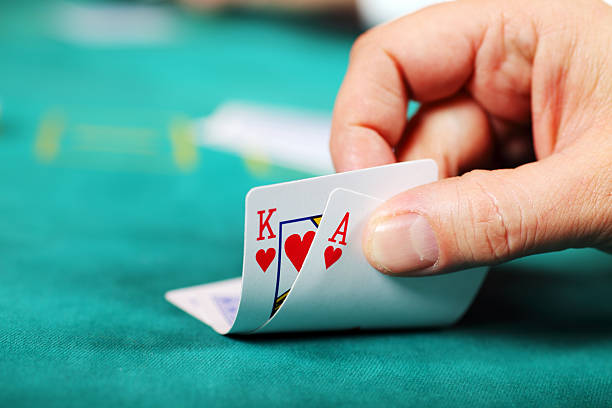
Moreover, the presence of friends or family during gaming sessions can enhance the overall experience, leading players to choose games that require communal participation, such as poker or table games. This shared experience not only amplifies the enjoyment factor but also encourages players to remain longer at the casino, increasing their spending. The communal aspect of gaming fosters a sense of belonging, which can be powerful enough to drive game choices and player loyalty, making social dynamics a crucial element in understanding player preferences.
Online platforms have also embraced social dynamics by incorporating features that allow users to share experiences and outcomes. This trend has reshaped how people perceive and engage with gaming environments. By accessing platforms where they can share victories or even losses, players feel a part of a larger community, influencing their game choices based on collective experiences. These interactions reinforce social connections and create a more engaging atmosphere around various games, illustrating the importance of community in gaming preference.
Understanding the Casino Landscape and Its Offerings
Understanding the casino landscape is crucial for grasping why players make specific game choices. Casinos are strategically designed to create an immersive experience that caters to a wide range of preferences, accommodating every type of player. The layout of games, from slots to table games, is meticulously organized to draw players in and keep them engaged. This structured environment encourages exploration and discovery, leading players to try new games while also reinforcing their established preferences, which can significantly impact their gaming behavior.
Additionally, the variety of game offerings is reflective of the psychological insights into player behavior. Casinos often feature a combination of skill-based games and luck-based games to appeal to diverse player motivations. Those seeking mental engagement may gravitate toward poker and blackjack, while casual players might prefer the ease of slots. By providing an array of choices, casinos ensure that there is something for everyone, facilitating broader appeal and enhancing the overall gaming experience.
Moreover, promotional strategies used by casinos further influence player decision-making. Free play opportunities, loyalty rewards, and themed events serve as incentives that can sway player preferences. These promotions encourage players to explore various games they may not have considered otherwise, impacting their overall gaming experience. Understanding how casinos leverage these elements is crucial, as it reveals the complex relationship between player choices and the environment designed to enhance those choices, ultimately shaping the future of gaming preferences.